
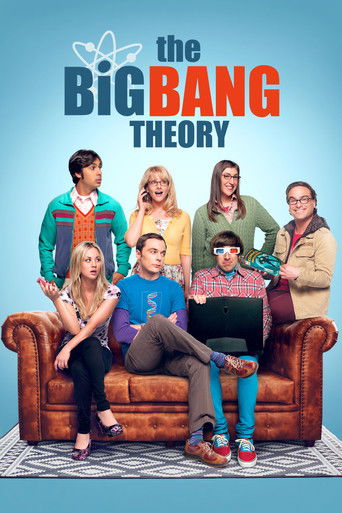
 The Big Bang Theory (2007)
QuickSilverScreen
192 titles in four sections, each with its cast, its rating and a Watch now button.
The Big Bang Theory (2007)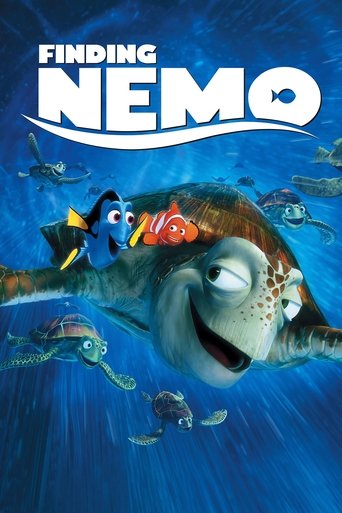 Finding Nemo (2003)
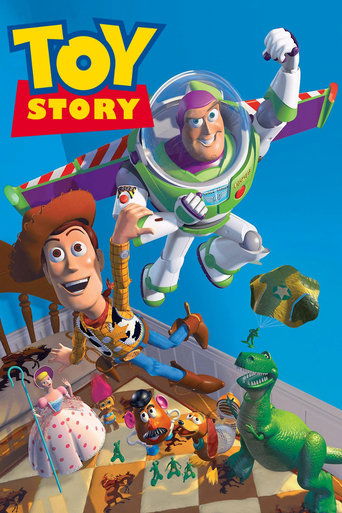 Toy Story (1995)
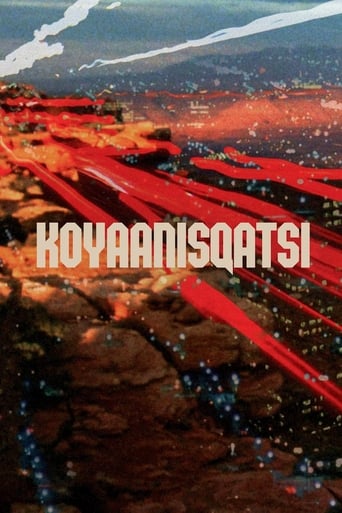 Koyaanisqatsi (1983)
 Grey's Anatomy (2005)
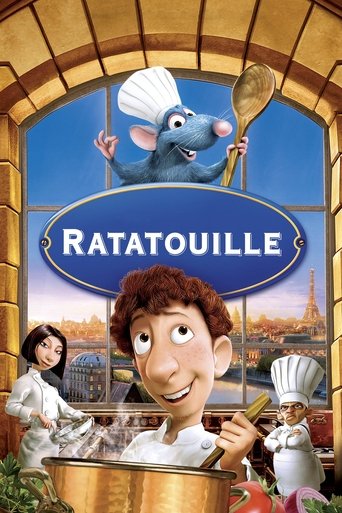 Ratatouille (2007)
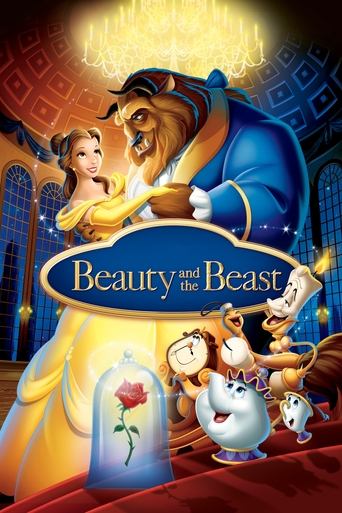 Beauty and the Beast (1991)
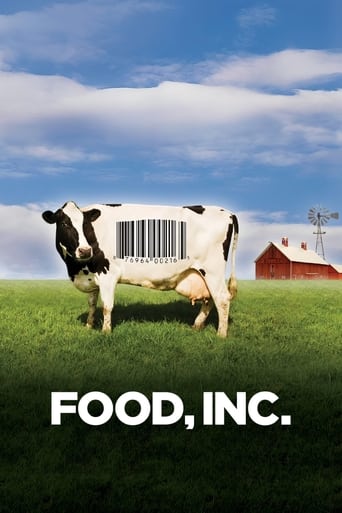 Food, Inc. (2008)
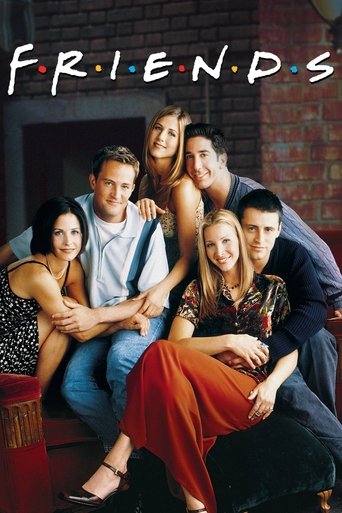 Friends (1994)
 Jurassic Park (1993)
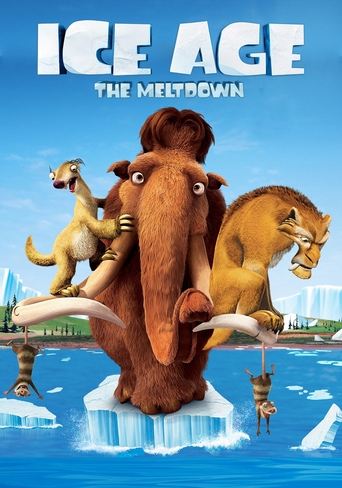 Ice Age: The Meltdown (2006)
 Pumping Iron (1977)
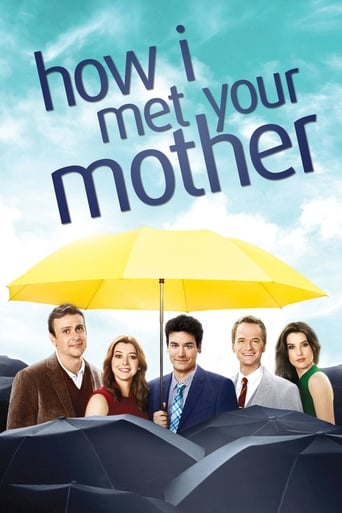 How I Met Your Mother (2005)
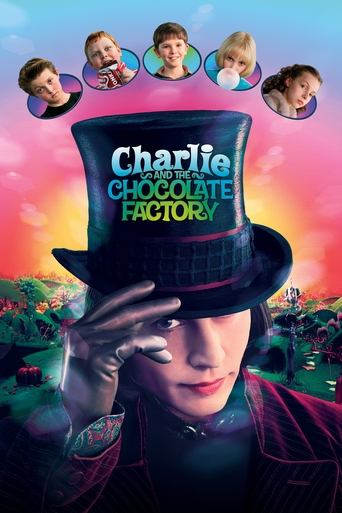 Charlie and the Chocolate Factory (2005)
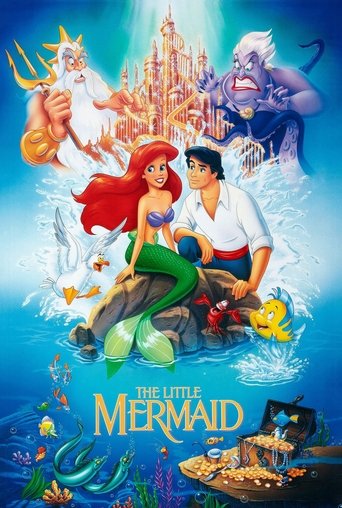 The Little Mermaid (1989)
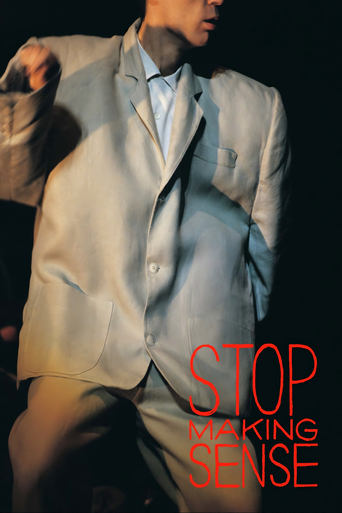 Stop Making Sense (1984)
The QSS guide
QuickSilverScreen: movies, TV shows, cartoons and documentaries up to 2008, from Finding Nemo, Jurassic Park and Toy Story to Friends, The Wonder Years and Stop Making Sense
QuickSilverScreen, known to its regulars as QSS, is a video guide in four sections. It lists 192 titles, seventy-six movies, forty-four TV shows, thirty-eight cartoons and thirty-four documentaries, and gives every one a page with its cast, its rating, a summary and a single Watch now button. The name joins two old ideas: the silver screen of the cinema and the quickness of finding what you came for.
The catalogue closes in 2008 and reaches back to 1942, when Bambi first appeared. Within those years it gathers the films and programmes that a household might have recorded, rented and watched again: the comedies of the eighties, the sitcoms of the nineties, the hand-drawn features that Disney made across half a century, the first computer-animated films, and a shelf of documentaries about music and ordinary lives. Every title was screened by hand for a family audience. The feature-length titles run to about 219 hours, and the series to 359 seasons.
This guide explains the page, visits each of the four sections, goes through the grey category blocks one by one and closes with practical answers. How to watch with QuickSilverScreen gives the short version in four steps.
How QuickSilverScreen works
The home page is white and set in small Verdana type, in the manner of the forums of its day. The silver logo stands at the top left with the search box opposite. A lavender bar carries the menu: TV Shows, Movies, Cartoons, Documentaries, Music, A-Z and My QSS. Under a thin grey strip the page divides into three columns.
The widest column holds sixteen small pictures in four rows of four, each a poster in a thin frame with the title and year in blue beneath it. Over and under the grid runs a line of boxed links, one for each section and a last one for all 192 titles. The middle column is a stack of grey blocks, each naming a category and its count. The right-hand column gives the statistics of the site and two short lists, Most popular and New releases 06/08.
A title page follows one plan throughout. The poster and the name come first, then the year, the length, the score out of ten and a summary. The cast and the makers are listed, and a series page adds its seasons and dated episodes. A selector beside the Watch now button offers fifteen countries; choosing one and pressing the button opens the title on JustWatch, where the subscription, rental, purchase and free services for that country are shown together. Finding a title describes the search box and the lists.
The sixteen pictures
The grid on the home page is filled in a fixed order: the four most watched titles of each section, taken in turn. The first row therefore shows The Big Bang Theory, Finding Nemo, Toy Story and Koyaanisqatsi, one from each section, and the rows that follow continue the pattern with Grey's Anatomy, Ratatouille, Beauty and the Beast and Food, Inc., then Friends, Jurassic Park and their companions.
The arrangement gives a fair first impression of the site. A visitor sees at once that a sitcom, a Pixar feature, a hand-drawn classic and a wordless documentary share the same shelves, and that each is a click from its own page. The boxed links over the grid lead from the sample to the full section.
The right-hand column tells the same story in words. Most popular lists the ten titles with the largest audiences across all four sections: Finding Nemo, Toy Story, Ratatouille, Jurassic Park, Charlie and the Chocolate Factory, Back to the Future Part II, The Big Bang Theory, Jumanji, A Beautiful Mind and Grey's Anatomy. Three of the first five are animated, which says something about how often a family returns to a favourite.
The movies section
The movies section holds seventy-six films, chosen in two parts: forty from the years 2004 to 2008, the new releases of the reference page, and thirty-six from the three decades before. The older group is full of titles that have become part of the language. The Breakfast Club puts five pupils of different tribes in a Saturday detention and lets them talk. Ferris Bueller's Day Off follows the most charming truant in Chicago through a single perfect day, parade included. In Big a boy of twelve wishes to be grown and wakes as Tom Hanks, who dances on a giant piano keyboard in a toy shop.
The nineties contribute Jurassic Park, Groundhog Day, Jumanji, Home Alone 2: Lost in New York, Liar Liar and the British romances Four Weddings and a Funeral and Notting Hill. Rain Man, which won the Academy Award for best picture, sends two brothers across America by road, one a fast-talking dealer in sports cars and one a man of fixed routines and an astonishing memory. A Beautiful Mind won the same award thirteen years later.
The newer films are led by Ratatouille, Charlie and the Chocolate Factory, The Terminal, Little Miss Sunshine and Mamma Mia!. They include a good run of family adventure, The Golden Compass, Inkheart and Journey to the Center of the Earth, and the three High School Musical films. The movies guide arranges the section by decade.
The TV shows section
Forty-four TV shows make up the second section, and the sitcom is its backbone. Friends followed six New Yorkers through ten years, most of them spent on one orange sofa in a coffee house, and holds a score of 8.4. The Fresh Prince of Bel-Air moved a street-smart teenager from Philadelphia to his uncle's mansion in California and made a star of Will Smith. Everybody Loves Raymond, Home Improvement, Roseanne, Mad About You and The Nanny are the family comedies of the same years, each built around a comedian with a voice of their own.
Several series are about growing up. The Wonder Years looks back at the late 1960s through the memories of Kevin Arnold, with the grown man narrating the boy's embarrassments. Boy Meets World follows Cory Matthews from the sixth grade to married life under the eye of his neighbour and teacher, Mr Feeny. Freaks and Geeks, set in a Michigan high school in 1980, lasted a single season and launched a remarkable number of careers. Saved by the Bell, Lizzie McGuire and Drake & Josh cover the lighter side of school.
Drama is represented by ER, which ran for 331 episodes in the emergency department of a Chicago hospital, The West Wing, set among the staff of an American president, Friday Night Lights, Boston Legal and Grey's Anatomy. The six-part Pride and Prejudice made by the BBC in 1995, with Jennifer Ehle and Colin Firth, is the shortest series in the section and one of the most loved. The TV shows guide sorts the section by kind.
The cartoons section
The cartoons section has thirty-eight titles, twenty-two features and sixteen series, and it spans the whole history of the animated film as most families know it. The oldest is Bambi of 1942. Cinderella, Alice in Wonderland, Peter Pan and Sleeping Beauty followed in the fifties, One Hundred and One Dalmatians in 1961 and The Jungle Book in 1967, the last feature that Walt Disney oversaw himself.
The revival of the studio is here too. The Little Mermaid began it in 1989, and Beauty and the Beast, two years later, became the first animated feature nominated for the Academy Award for best picture. Pocahontas, Hercules and Tarzan carried the hand-drawn musical to the end of the century. Then the tools changed: Toy Story of 1995 was the first feature made entirely by computer, Chicken Run moved clay figures a frame at a time, and The Polar Express recorded the movements of actors and drew over them.
The series are the cartoons of after-school television. Samurai Jack tells of a warrior thrown into the far future, in a style that owes as much to painting as to comics. The Powerpuff Girls, Hey Arnold!, The Fairly OddParents, Danny Phantom and Phineas and Ferb are comedies, X-Men, Spider-Man and The Spectacular Spider-Man are adventures from the comic books, and SpongeBob SquarePants, with 689 episodes, is the longest series anywhere in the guide. The cartoons guide has more.
The documentaries section
Thirty-four documentaries fill the fourth section, and music runs through most of them. Monterey Pop records the festival of 1967. Let It Be watches the Beatles rehearse and play on a London rooftop. The Last Waltz is the farewell concert of The Band, and Stop Making Sense, which scores 8.3, builds a Talking Heads show from a bare stage. U2: Rattle and Hum follows the Irish group across America in 1987, and Hype! visits Seattle in the years when its bands were suddenly the most famous in the world.
Others are portraits of people. Grey Gardens spends time with a mother and daughter in a decaying house on Long Island. American Movie follows a determined film-maker in Wisconsin. Pumping Iron introduced a young Arnold Schwarzenegger to audiences beyond bodybuilding. Seven Up!, 7 Plus Seven and 35 Up belong to the British series that has returned to the same group of people every seven years since they were children, and Frederick Wiseman's High School simply observes a Philadelphia school at work in 1968.
A third group looks at places. Koyaanisqatsi sets images of deserts and cities to the music of Philip Glass. Manufactured Landscapes follows the photographer Edward Burtynsky through the factories and shipyards of Asia. Los Angeles Plays Itself is a long, witty essay on how films have shown one city, and Style Wars documents the young painters and dancers of New York in the early eighties. The documentaries guide lists them by kind.
Comedy
The first grey block opens the comedy list, which with 109 titles is the largest on the site. The films range from the broad to the gentle. Liar Liar gives Jim Carrey a lawyer compelled to tell the truth for a day. National Lampoon's Christmas Vacation watches Clark Griswold cover his house in twenty-five thousand lights. Elf, Bean, Daddy Day Care and Cheaper by the Dozen are family favourites, and Groundhog Day is the rare comedy that philosophers write about.
British comedy has three entries on television. Mr. Bean is very nearly wordless and has been shown in nearly every country in the world. Spaced, written by Simon Pegg and Jessica Stevenson and directed by Edgar Wright, is about two strangers who pretend to be a couple to rent a flat, and it quotes films in every scene. The IT Crowd sets its jokes in the basement of an office tower.
The American family sitcom is here in strength: Home Improvement, Family Matters, Step by Step, According to Jim and Everybody Loves Raymond. Dinosaurs belongs with them, though its family, the Sinclairs, are large puppets from the workshop of Jim Henson. Flight of the Conchords and How I Met Your Mother bring the list up to the end of the catalogue. The comedy guide sets the list out by type.
Drama and romance
Two grey blocks, drama with forty-four titles and romance with thirty-three, are best described together. The dramas on film include Rain Man, A Beautiful Mind, I Am Sam, Ray and August Rush. On television the hospital and the courtroom dominate: ER, Grey's Anatomy, Private Practice, Boston Legal and Ally McBeal, whose young Boston lawyer imagines her feelings as songs and dancing figures.
The romances begin with two conversations. In Before Sunrise two travellers spend a night walking through Vienna, and in Before Sunset, nine years on, they meet again in Paris. You've Got Mail, written and directed by Nora Ephron, sets two rival booksellers writing to each other by electronic mail under invented names. Four Weddings and a Funeral, Notting Hill, My Best Friend's Wedding, Serendipity and My Big Fat Greek Wedding follow.
The newer romances are lighter: The Holiday, 27 Dresses, Music and Lyrics, Just Friends and The Wedding Date. For a longer courtship there is Gilmore Girls, seven seasons in the Connecticut town of Stars Hollow, in which a mother and daughter who are also best friends talk faster than anyone on television. The drama and romance guide covers both lists.
Animated and family
The block marked Animated and family opens eighty titles for all ages, the second largest list. Pixar supplies its centre: Toy Story, Finding Nemo and Ratatouille, three films that adults watch as willingly as children. Around them stand the Disney features already described, Ice Age: The Meltdown, Madagascar: Escape 2 Africa, Happy Feet and Bolt, the story of a dog who believes the adventures of his television series are real.
Live-action family films fill the rest. Jumanji, Flubber, Doctor Dolittle, Beethoven, Stuart Little 2 and Charlotte's Web have animals or inventions at their heart. Space Jam puts the basketball player Michael Jordan on a court with Bugs Bunny. The Flintstones builds the cartoon town of Bedrock in stone, and Garfield: A Tail of Two Kitties sends the cat to an English castle.
On television the list includes Drake & Josh, iCarly, Hannah Montana, The Suite Life of Zack & Cody, That's So Raven and the Australian H2O: Just Add Water, along with all sixteen cartoon series. The animated and family guide arranges the list by age.
Sci fi and adventure
Sixty-three titles stand under sci fi and adventure. Time is the favourite device. Back to the Future Part II flies to the year 2015 and back to 1955. Quantum Leap sends a scientist into a different life in a different year each week, with a friend only he can see to advise him. Groundhog Day counts too, though its hero travels only as far as the same morning.
Heroes come from the comics: X-Men and Spider-Man from the nineties, The Spectacular Spider-Man and Star Wars: The Clone Wars from 2008, and Ben 10, Danny Phantom and ThunderCats between them. Quests include Jurassic Park, The Golden Compass, Inkheart, Merlin, Eureka, Sanctuary and Kyle XY. The sci fi and adventure guide divides the list in three.
Music
The music block opens thirty-two titles and draws on three of the four sections. From the movies come the musicals: Grease, with John Travolta and Olivia Newton-John at Rydell High, Footloose, in which a newcomer brings dancing back to a town that had given it up, Mamma Mia!, the three High School Musical films and Camp Rock. Ray and August Rush are dramas with music at their centre, and Music and Lyrics is a comedy about two people writing one song.
The documentaries section supplies the concert films. Besides those already named there are Pink Floyd: Live at Pompeii, filmed in an empty Roman amphitheatre, Elvis: That's the Way It Is, Nirvana: Unplugged In New York, Metallica and San Francisco Symphony: S&M, Linkin Park: Live in Texas and Michael Jackson: 30th Anniversary Celebration, recorded at Madison Square Garden in 2001.
A third group tells the stories behind the sound. Buena Vista Social Club travels to Havana. The Wrecking Crew honours the studio musicians of Los Angeles who played on hundreds of hit records. It Might Get Loud puts three guitarists in a room, Anvil! The Story of Anvil follows a band that kept going for thirty years on hope, End of the Century: The Story of the Ramones and Joe Strummer: The Future Is Unwritten remember the first days of punk, and Global Metal goes looking for heavy music from Brazil to Japan. That's Entertainment! gathers the finest numbers from the MGM musicals into one long celebration. The music guide groups the list.
Classics
The classics block holds the thirty-eight titles made before 1990. The reference page had a block named Classics, Drama and Foreign; the present one keeps the first word and fills it with the oldest part of the catalogue. Eight Disney features are the foundation, from Bambi to The Little Mermaid.
The eighties films are next: Footloose, The Breakfast Club, Ferris Bueller's Day Off, Big, Rain Man, National Lampoon's Christmas Vacation and Back to the Future Part II. Television of the same decade is represented by The Wonder Years, Quantum Leap, Saved by the Bell, Roseanne, Family Matters and the cartoon ThunderCats, whose heroes are cat-like nobles from a lost planet.
Fourteen documentaries complete the block, and they include the oldest title made from real life rather than drawn or acted: Seven Up! of 1964. The classics guide sets the block out in three groups.
The nineties, 2000 to 2005 and the new releases
Three more blocks sort the remainder by date. The nineties hold fifty-two titles and may be the richest ten years on the site. Television gave Friends, ER, The Fresh Prince of Bel-Air, The Nanny, Boy Meets World, Freaks and Geeks and The West Wing. The cinema gave Jurassic Park, Groundhog Day, Toy Story, Notting Hill and You've Got Mail, and animation enjoyed a golden age on both the large screen and the small.
The block for 2000 to 2005 has forty-nine titles, among them Finding Nemo, A Beautiful Mind, Elf, The Terminal, Gilmore Girls, Samurai Jack and Drake & Josh. The final block, New releases 06/08, has fifty-three and borrows its name from a block on the reference page that read New releases 06/07. It holds Ratatouille, Little Miss Sunshine, Mamma Mia!, Happy Feet, The Big Bang Theory, The IT Crowd, Merlin and Phineas and Ferb, and its ten most watched titles are listed in the right-hand column of the home page. The three later periods page links to each block.
Top rated
The last grey block opens the top rated list: the twenty-five titles that score 8.0 or higher from at least three hundred ratings. Television dominates it, and cartoon series lead. The Spectacular Spider-Man stands first at 8.6, followed by Star Wars: The Clone Wars at 8.5 and Samurai Jack at 8.4, a score it shares with Friends and Drake & Josh.
A strong group at 8.3 contains The Wonder Years, The West Wing, Boy Meets World, Danny Phantom, the Spider-Man series of 1994 and the concert film Stop Making Sense. At 8.2 come ThunderCats, Courage the Cowardly Dog, Grey's Anatomy, Freaks and Geeks, X-Men, Pride and Prejudice and The IT Crowd.
The list shows what lasts. A series that earns such a score after hundreds of episodes has kept its audience for years, and several of these were first watched by children who now show them to their own. The top rated page gives the order.
Makers to follow
The search box reads the names of directors and writers, and a few of them reward a search. John Hughes wrote and directed The Breakfast Club and Ferris Bueller's Day Off and wrote National Lampoon's Christmas Vacation, Home Alone 2: Lost in New York, Beethoven and Flubber; hardly anyone shaped the family comedy of those years as much. Steven Spielberg directed Jurassic Park and The Terminal. Richard Linklater made Before Sunrise and Before Sunset, and Richard Curtis wrote Four Weddings and a Funeral, Notting Hill and the Mr. Bean sketches with Rowan Atkinson.
In animation, Genndy Tartakovsky created Samurai Jack and Craig McCracken The Powerpuff Girls, two friends from the same art school who changed the look of television cartoons. Butch Hartman made both The Fairly OddParents and Danny Phantom. At Pixar, John Lasseter directed Toy Story, Andrew Stanton Finding Nemo and Brad Bird Ratatouille.
Among documentary makers, Martin Scorsese filmed The Last Waltz, Jonathan Demme Stop Making Sense, D. A. Pennebaker Monterey Pop and Wim Wenders Buena Vista Social Club. Albert and David Maysles made Grey Gardens, and Julien Temple the portrait of Joe Strummer.
Actors across the sections
A guide in four sections shows performers in more than one light. Tom Hanks is a child in a man's body in Big, a bookshop magnate in You've Got Mail, a stranded traveller in The Terminal, the voice of Woody in Toy Story and several characters at once in The Polar Express. Robin Williams leads Jumanji, Flubber and RV and lends his voice to two penguins in Happy Feet.
Hugh Grant appears in Four Weddings and a Funeral, Notting Hill, About a Boy and Music and Lyrics. Julia Roberts stars in Notting Hill and My Best Friend's Wedding and speaks for the spider in Charlotte's Web. Jim Carrey has Liar Liar, Eddie Murphy Doctor Dolittle and Daddy Day Care, and Steve Martin the two Cheaper by the Dozen films.
Television stars cross over too. Will Smith is at his funniest in The Fresh Prince of Bel-Air. Tim Allen is the tool man of Home Improvement, the voice of Buzz Lightyear in Toy Story and Santa Claus in The Santa Clause 3: The Escape Clause. Hilary Duff moved from Lizzie McGuire to A Cinderella Story, and Miley Cyrus from Hannah Montana to the voice of Penny in Bolt.
How the cartoons were made
The cartoons section doubles as a short course in technique. The Disney features up to The Jungle Book were drawn and painted by hand on transparent sheets, twenty-four pictures for each second, and One Hundred and One Dalmatians was the first to copy the animators' pencil lines directly onto those sheets, which gives it a sketched look all its own. Beauty and the Beast added a ballroom built in a computer for its camera to sweep through.
Toy Story left drawing behind altogether; every frame was calculated from models held in a computer, and the method became the standard within a decade, as Ice Age: The Meltdown, Madagascar: Escape 2 Africa, Happy Feet and Bolt show. Chicken Run, from the Aardman studio in Bristol, kept an older craft alive: its hens are clay figures, moved by hand between each exposure. The Polar Express tried a third way, recording actors in special suits and turning their movements into animated characters.
Television cartoons found their own style under tighter budgets. Samurai Jack dropped the outlines round its figures and told whole sequences in silence. The Powerpuff Girls drew its heroines as three circles with eyes. Hey Arnold! gave a city block the warmth of a neighbourhood, and Courage the Cowardly Dog mixed drawing, photographs and models to keep its timid hero, and the audience, on edge.
Good pairings
Because the sections sit side by side, the guide suggests pairings across them. Grease can be followed by That's Entertainment! for an evening of song and dance old and older. Freaks and Geeks and Wiseman's High School show school life as fiction and as fact, a decade apart. Toy Story and Finding Nemo make a Pixar afternoon, and Bambi and Happy Feet show sixty-four years of animated animals.
Within one section the pairs are plainer. Before Sunrise should be followed by Before Sunset, Seven Up! by 7 Plus Seven and 35 Up, and Monterey Pop by The Last Waltz, which shows some of the same generation of musicians nine years on. The Wonder Years and Boy Meets World tell the story of growing up in two different decades and reach much the same conclusions.
Choosing by the time you have
The four sections suit different amounts of time. A cartoon episode lasts about eleven or twenty-two minutes, so Hey Arnold!, The Fairly OddParents or Phineas and Ferb will fill the gap before dinner. A sitcom episode takes a little longer; Friends, The Nanny and Mad About You were all made for a half-hour slot. An hour buys an episode of ER, The West Wing or Quantum Leap.
The older animated features are short by modern standards. Bambi runs for about seventy minutes, and Cinderella, Alice in Wonderland, Peter Pan and Sleeping Beauty all finish in well under an hour and a half, which makes them ideal for a younger child's first film. Several of the documentaries are brief as well: Seven Up! lasts forty minutes and Nirvana: Unplugged In New York sixty-six.
Most of the movies last between ninety minutes and two hours. The long ones are worth planning for: Rain Man, A Beautiful Mind and Ray each pass two and a quarter hours, Metallica and San Francisco Symphony: S&M is a concert of two and a half, and the diary film As I Was Moving Ahead Occasionally I Saw Brief Glimpses of Beauty runs close to five hours and is meant to be visited in parts. Every title page gives the length beside the year.
Choosing by the company you keep
For the youngest viewers, the hand-drawn Disney features and the gentler series are the place to start: The Jungle Book, One Hundred and One Dalmatians, Finding Nemo, The Tom and Jerry Show and SpongeBob SquarePants. For children of school age there are Jumanji, Space Jam, Ben 10, Danny Phantom and the Disney Channel comedies, and Dinosaurs is a sitcom that parents and children can share for different reasons.
Teenagers will find their own lives in The Breakfast Club, Freaks and Geeks, Gilmore Girls and The Sisterhood of the Traveling Pants, and their parents' youth in Grease and Footloose. Friday Night Lights is a drama about a Texas school football team that asks to be taken seriously and deserves it.
For a couple, Before Sunrise, You've Got Mail and Notting Hill are safe choices, and Mad About You, about the first years of a marriage in New York, is a series to grow fond of. For grandparents there are That's Entertainment!, Elvis: That's the Way It Is and the BBC Pride and Prejudice. And for a room full of every age at once, the guide recommends Mr. Bean, which has made people laugh in every language because its comedy is almost wordless.
Places in the guide
New York is the most visited city in the catalogue. Friends, Mad About You, The Nanny, How I Met Your Mother, Ugly Betty and Flight of the Conchords are set there, as are Big, You've Got Mail, Home Alone 2: Lost in New York, Elf and Serendipity, and Style Wars shows its subway yards as they were in 1982. Chicago has Ferris Bueller's Day Off, ER, Family Matters and My Big Fat Greek Wedding.
California appears in The Fresh Prince of Bel-Air, Saved by the Bell, The Big Bang Theory and, examined from every angle, in Los Angeles Plays Itself. Seattle is the home of Grey's Anatomy, iCarly and the bands of Hype!. The small towns are as memorable as the cities: Stars Hollow in Gilmore Girls, Dillon in Friday Night Lights and the Punxsutawney of Groundhog Day.
Britain is seen in Notting Hill, Four Weddings and a Funeral, About a Boy, Spaced, The IT Crowd and the country houses of Pride and Prejudice. Paris belongs to Ratatouille and Before Sunset, Vienna to Before Sunrise, Havana to Buena Vista Social Club, and the ocean between Australia's reef and Sydney harbour to Finding Nemo. National Geographic: Journey to the Edge of the Universe goes further than all of them.
A title for each season
The catalogue follows the calendar well. Winter has its Christmas shelf in all but name: Home Alone 2: Lost in New York, Elf, National Lampoon's Christmas Vacation, Jingle All the Way, Christmas with the Kranks, Four Christmases, The Santa Clause 3: The Escape Clause and The Polar Express, which carries a doubting boy to the North Pole by night train. The second of February belongs to Groundhog Day.
Spring suits the romances and Bambi. Summer is the season of Grease, Camp Rock, The Sisterhood of the Traveling Pants and Phineas and Ferb, whose two brothers set out to make every day of the holiday count. Autumn brings the return to school, and with it Saved by the Bell, Boy Meets World, High School Musical and The Breakfast Club.
School on screen
School is the subject the four sections share most often, and comparing them is instructive. The movies offer the wit of The Breakfast Club and Ferris Bueller's Day Off and the songs of Grease and High School Musical. Television offers the long view: Saved by the Bell and Boy Meets World stay with their pupils for years, and Freaks and Geeks remembers how it felt to stand outside both of the fashionable groups.
The cartoons treat school as a place of adventure. Arnold and his classmates in Hey Arnold! solve the small mysteries of their city block. Danny Phantom hides a ghost-fighting hero in the back row, and the young Peter Parker of The Spectacular Spider-Man spends as much effort on homework and friendships as on villains, which is why the series is so admired.
The documentaries supply the facts. High School records ordinary lessons, assemblies and conversations with parents in 1968, leaving commentary and music aside, and Seven Up! asks children of seven what they expect from life and then, in 7 Plus Seven and 35 Up, returns to see what happened.
Work and vocation
Many of the television series are about work, and the guide is a gallery of workplaces. The emergency room of ER is the busiest, and Michael Crichton, who created the series, drew on his own medical training. The West Wing walks and talks through the corridors of government. Boston Legal and Ally McBeal were both made by David E. Kelley and both set in Boston law firms of unusual liveliness. Ugly Betty is a comedy of office life at a fashion magazine, and Home Improvement takes place half at home and half in the studio of a television tool programme.
The films prefer vocations to jobs. The rat of Ratatouille wants only to cook. The mathematician of A Beautiful Mind and the musician of Ray are driven by gifts they can hardly explain. The film-maker of American Movie and the band of Anvil! The Story of Anvil keep working for love long after reward seemed likely, and both documentaries end in a kind of triumph.
Animals in every section
Animals are everywhere on QuickSilverScreen. The cartoons section is the most crowded: the deer of Bambi, the bear and the panther of The Jungle Book, the spotted puppies, the penguins of Happy Feet, the mammoth, sloth and tiger of Ice Age: The Meltdown, the zoo animals of Madagascar: Escape 2 Africa and the hens of Chicken Run, who plan an escape from their farm in the manner of a wartime adventure.
The movies add real and computer-made creatures: the St Bernard of Beethoven, the labrador of Marley & Me, the pig and the spider of Charlotte's Web, the mouse of Stuart Little 2, the fish of Finding Nemo and the dinosaurs of Jurassic Park. Doctor Dolittle lets Eddie Murphy hear all of them talk at once.
Television contributes the puppet family of Dinosaurs and the nervous pink hero of Courage the Cowardly Dog, who protects two elderly farmers from the strange visitors that find their lonely house.
The year the catalogue stops
The design of this site is drawn from a page of February 2008, and the catalogue ends with that year. It was a moment of change. Video had only recently become easy to watch through a web browser, and guides such as this one grew up to help people find their way among thousands of scattered clips, programmes and films.
The titles of that last year show the old and the new side by side. Mamma Mia! and High School Musical 3: Senior Year filled cinemas with song. Bolt and Madagascar: Escape 2 Africa continued the rise of computer animation. On television, Merlin began in Britain, Star Wars: The Clone Wars and The Spectacular Spider-Man set a new standard for adventure cartoons, and The Big Bang Theory was in its second year. The documentaries of 2008, It Might Get Loud, Anvil! The Story of Anvil, The Wrecking Crew, Global Metal and Food, Inc., were nearly all about music.
Everything on the site was already loved by the time the catalogue closed, and the years since have confirmed the choices. That is the advantage of a guide that looks back: the titles have been tested by time.
My QSS
My QSS, the last item in the lavender bar, is your own list of titles to watch. A title joins it from the list button on its page, and a series also remembers the episode you mark as reached. The list is stored in the browser on your own device, which keeps it private and makes it open at once, and the list page can save it as a file for another computer. The My QSS page explains the steps.
The four sections suggest a simple way to fill it: one from each. A sitcom for weeknights, a film for Saturday, a cartoon series for the children and a documentary for a quiet hour make a balanced list, for example Spaced, Rain Man, Samurai Jack and Buena Vista Social Club.
Long series benefit most. With 331 episodes of ER or ten years of Friends in progress, a record of the last episode watched is worth having, and My QSS keeps it beside the title.
How a QSS title page is set out
A QuickSilverScreen title page keeps the plain manners of the home page. The name is printed in dark grey Arial with the year in brackets after it, exactly as it appears under the small pictures. The poster sits in a thin frame at the left. Beside it a few lines give the section, the genres, the running time or the number of seasons, and the score out of ten with its count of ratings. The summary comes next, in two or three sentences. The cast is set out with the roles they play, followed by the director or creator and the studio, and each name is a blue link that collects the other titles associated with it. A series page then lists every season and each dated episode. The country selector and the blue Watch now button are kept near the top, ahead of the details, on screens of every size.
Where to begin in each section
In the movies section, Groundhog Day is the title that pleases nearly everyone, and Big is close behind. In the TV shows section, The Wonder Years is the place to start for warmth and Spaced for invention; anyone who has somehow missed Friends has ten years of company ahead.
In the cartoons section, begin with Toy Story and Beauty and the Beast, then try an episode of Samurai Jack to see how far television animation can go. In the documentaries section, Stop Making Sense is a joy from its first minute, and American Movie is the one that visitors tell their friends about afterwards.
A final suggestion for the undecided: let the right-hand column choose. The ten titles under Most popular have pleased the largest audiences, and the ten under New releases 06/08 are the freshest on the site. Opening the first name on either list that is new to you is a method that rarely fails, and the grey blocks are there for the evening when something more particular is wanted, a musical, a classic or a film from a favourite decade. Visitors who return often tend to work through one block at a time, and the counts beside each name show how far there is to go. The A-Z index serves the opposite kind of visitor, the one who arrives already knowing the name and simply wants the page, and it lists every title under its first letter with the year beside it.
QuickSilverScreen: help in ten answers
Questions
What is QuickSilverScreen?
QuickSilverScreen, or QSS, is a video guide to 192 titles in four sections: movies, TV shows, cartoons and documentaries. Each title has a page with its cast, rating and summary and a Watch now button that leads to official services.
How do I watch a title I find on QSS?
Open its page, choose your country beside the blue Watch now button and press it. JustWatch then shows the subscription, rental, purchase and free services that carry the title in that country.
How many titles are in each QSS section?
There are seventy-six movies, forty-four TV shows, thirty-eight cartoons and thirty-four documentaries.
What are the sixteen pictures on the QSS home page?
They are the four most watched titles of each section, shown in turn: a TV show, a movie, a cartoon and a documentary in every row.
What are the grey blocks in the middle column?
They are eleven category lists with their counts: comedy, drama, romance, animated and family, sci fi and adventure, music, classics, three later periods and top rated.
Why does the QSS catalogue end in 2008?
The design is drawn from a page of February 2008, and the catalogue closes with that year. The oldest title is Bambi, from 1942.
Which QSS titles are rated highest?
The Spectacular Spider-Man has 8.6 and Star Wars: The Clone Wars 8.5. Friends, Samurai Jack and Drake and Josh share 8.4.
Is QuickSilverScreen suitable for families?
Every title was screened by hand for a family audience. The animated and family list has eighty titles for all ages.
What is My QSS?
My QSS is your personal list of titles to watch, with the episode reached in each series. It is kept in the browser on your device and can be saved as a file.
Where does QSS get its information?
Posters, ratings, casts and episode data are supplied by TMDB, and the links to services come from JustWatch. The guide and help pages are written by the QuickSilverScreen editorial team.
